


When to Start Neuromodulator and Dermal Filler Treatments
If you’re considering neuromodulators like Botox or dermal fillers, understanding the right time to start can make a difference in achieving a natural, youthful appearance. Here’s a breakdown of when and why people may choose to begin these treatments at different ages.
Starting Neuromodulators Like Botox
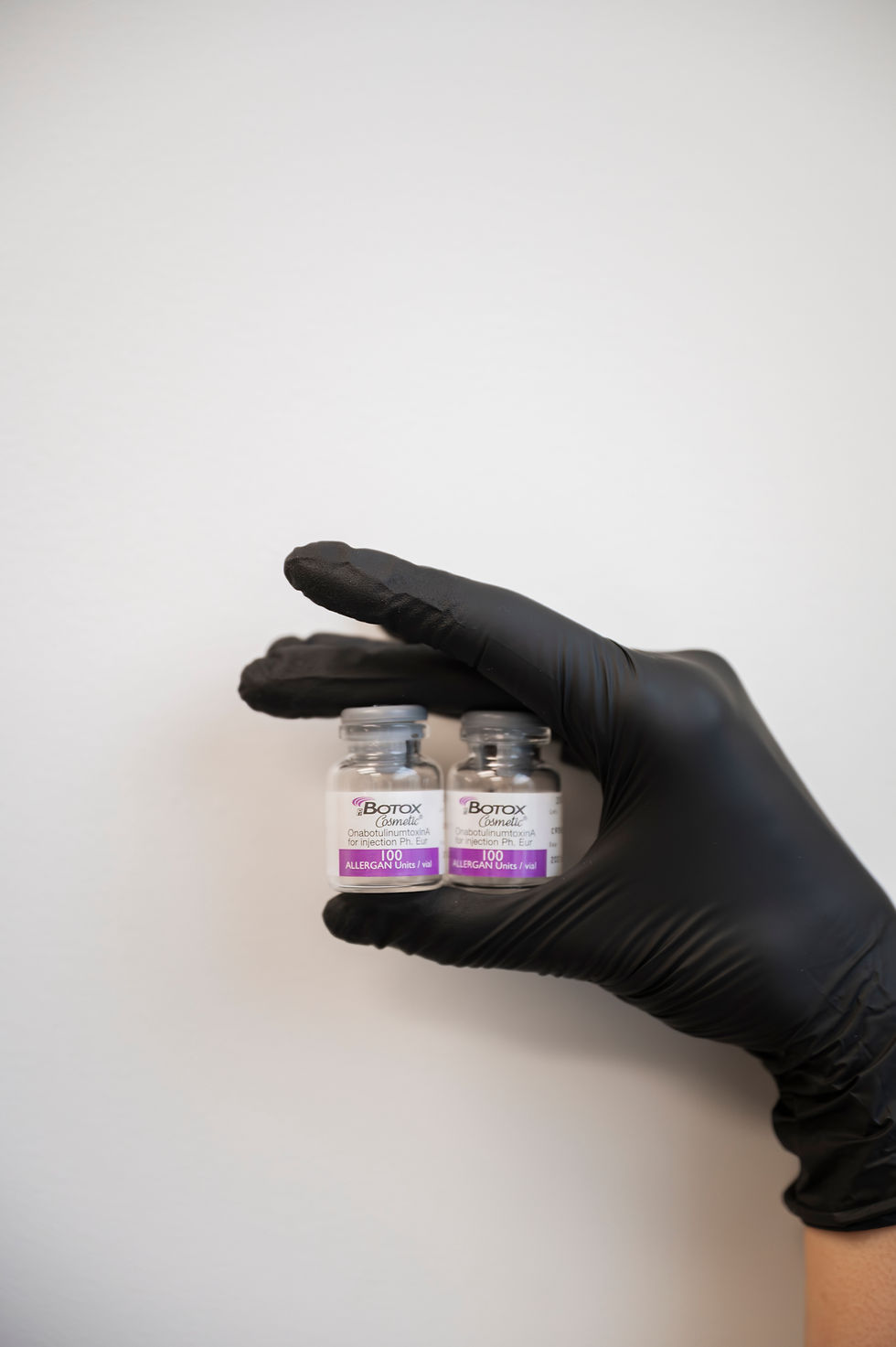
Neuromodulators such as Botox, Xeomin, and Dysport work by relaxing the muscles that cause expression lines. Starting these treatments depends on your goals and personal aging process.
In Your 20s: Preventative Use
Botox is sometimes started in the late 20s as a preventative measure. Known as “prejuvenation,” it can help prevent the formation of deep-set lines that develop from repeated muscle movement, especially on the forehead and around the eyes.
In Your 30s: Softening Emerging Lines
In the 30s, expression lines may begin to show even when the face is relaxed, a sign that collagen production is slowing. At this stage, Botox can soften lines, helping to smooth existing creases and delay deeper line formation. This period is often about maintaining a youthful look and preventing lines from becoming static.
In Your 40s and Beyond: Treating Established Lines
As we age, our skin naturally loses elasticity and volume, causing lines to become more pronounced. Neuromodulators are effective for softening lines like crow’s feet, forehead lines, and frown lines that are visible even when the face is at rest. Starting treatments in this age range can still be very effective in maintaining a smoother complexion.

Starting Dermal Filler Treatments
Dermal fillers add volume and structure to areas where the skin has thinned or where collagen has diminished. When you start fillers will depend on your unique goals and skin structure.
In Your 20s and 30s: Subtle Volume and Contour
In younger years, fillers are commonly used for contouring, such as enhancing lips, cheeks, or jawline structure. Many people in their 20s and 30s opt for fillers to subtly enhance their features or to begin gentle contouring in areas like the cheeks and lips.
In Your 40s and Beyond: Restoring Lost Volume
As the aging process accelerates in the 40s and 50s, the skin’s natural fat pads and collagen start to deplete, creating volume loss around the cheeks, mouth, and jawline. Fillers can help restore volume, providing a lifted and fuller appearance. For many, dermal fillers become part of a maintenance plan to preserve natural facial structure.
Key Factors to Consider
Genetics and Lifestyle: If you are noticing wrinkles or volume loss sooner due to genetics, sun exposure, or lifestyle factors like smoking, you may benefit from starting treatments earlier.
Desired Results: If your goal is prevention, starting neuromodulators in your 20s or early 30s can help delay the aging process. If you’re looking to correct existing signs of aging, fillers in your 40s or later may be appropriate.
Consulting a Qualified Provider: Every face is unique, and a consultation with a qualified provider can guide you toward a plan that meets your goals while preserving a natural look.
In summary, the right time to start neuromodulators or fillers depends on your age, skin type, goals, and lifestyle. Consulting with a qualified aesthetic provider can help tailor a plan that meets your needs, whether for preventative or corrective care.


Comments